
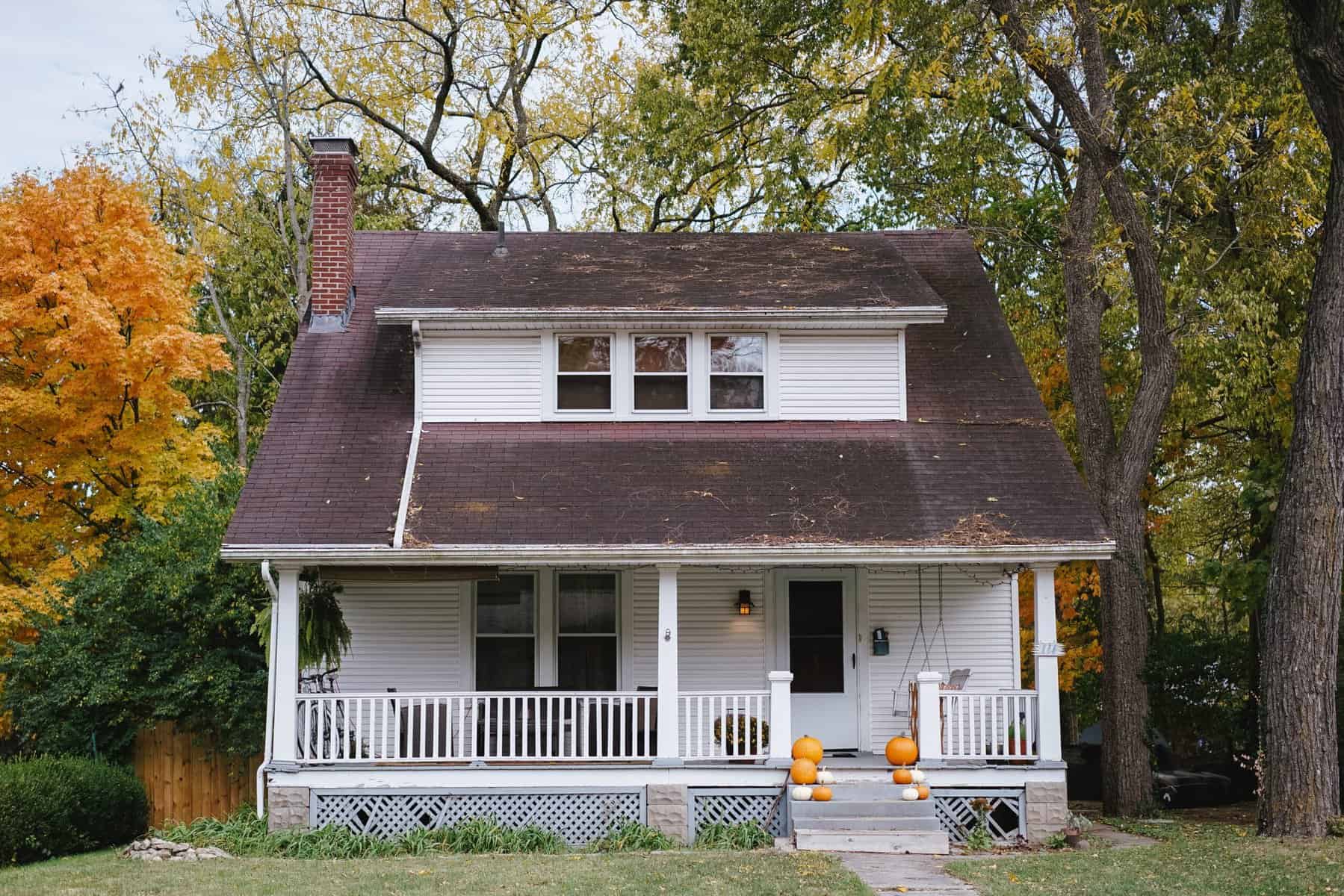
After a storm, inspecting your roof for any signs of damage is important. Even if your roof looks fine from the ground, it may have sustained damage that you cannot see.
Here are 10 ways to tell if your roof was damaged in a storm:
- Missing or damaged shingles. Shingles are the most common type of roofing material, and they can be easily damaged by wind, hail, or falling debris. If you see any missing or damaged shingles, you should have them repaired or replaced immediately.
- Loose flashing. Flashing is the metal that is used to seal the edges of your roof. If it is loose, it can allow water to leak into your home.
- Clogged gutters and downspouts. Gutters and downspouts help to drain water away from your home. If they are clogged, water can back up and cause damage to your roof and foundation.
- Water damage inside your home. If you see any water damage inside your home, such as wet spots on the ceiling or walls, it is a sign that your roof may be leaking.
- Loose or damaged roofing materials. If you see any loose or broken roofing materials, such as tiles, slate, or metal, it is a sign that your roof may be leaking.
- Stains or discoloration on your roof. Stains or discoloration on your roof can be a sign of water damage.
- Blisters or bubbles on your roof. Blisters or bubbles on your roof can be a sign of delamination, a serious problem that can lead to roof failure.
- Loose or damaged vents. Loose or damaged vents can allow water to enter your attic and cause damage to your roof and insulation.
- Damaged or missing chimney flashing. Chimney flashing is the metal used to seal your chimney’s edges. Water can leak into your home if the flashing is damaged or missing.
- Damaged or missing tree limbs. If you have trees near your home, they may have been damaged in the storm. If any tree limbs have fallen on your roof, they can cause damage to your shingles or other roofing materials.
If you find any of these signs of storm damage to your roof, you should have it repaired as soon as possible. The longer you wait to repair the damage, the more likely the damage will get worse.
Here are some additional tips for inspecting your roof for storm damage:
- Inspect your roof from the ground. You can get a good overview of your roof by inspecting it from the ground. Look for missing or damaged shingles, loose flashing, clogged gutters, and downspouts.
- Inspect your roof from the attic. If you have an attic, you can get a closer look at your roof by inspecting it from the attic. Look for any water damage, loose or damaged shingles, or missing flashing.
- Hire a professional roofer to inspect your roof. If you are uncomfortable inspecting your roof, you can hire a professional roofing company, like Clem Davis Company, to do it for you. An experienced roofer will be able to identify any damage to your roof and recommend the best course of action for repair.
If you suspect your roof was damaged in a storm, contact us to discuss roof repair or replacement.