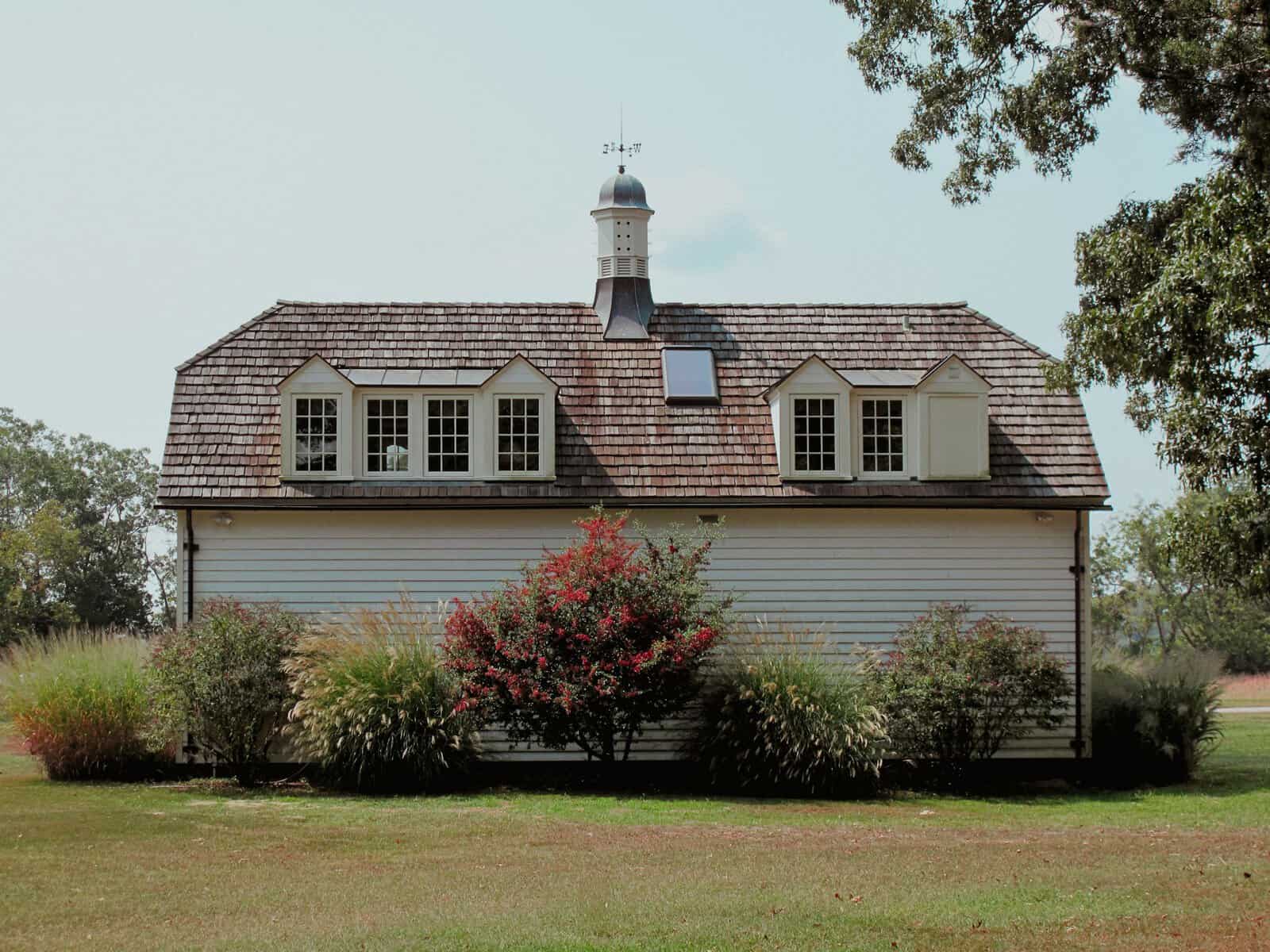
Cedar shake roofs are one of the most beautiful and distinctive roofing options available, and Hinsdale homeowners know this better than most. The natural wood grain, the rich texture, and the way a cedar shake roof complements a classic home — it is hard to match. But cedar is a natural material, and like all natural materials, it ages.
At Clem Davis Company, we have been installing and repairing cedar shake roofs across Chicago’s western suburbs since 1965. Over the decades, we have learned that cedar shake roofs can last a long time when properly maintained — but they can also fail quietly, without obvious signs until real damage has already been done inside your home.
Warning signs that your cedar shake roof may need professional attention
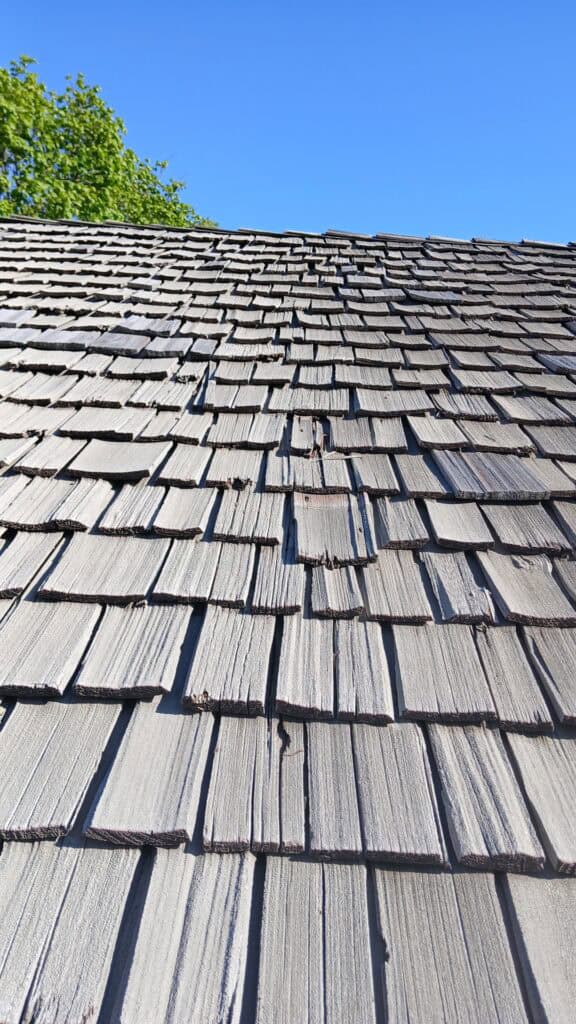
1. Cracked, Split, or Broken Shakes
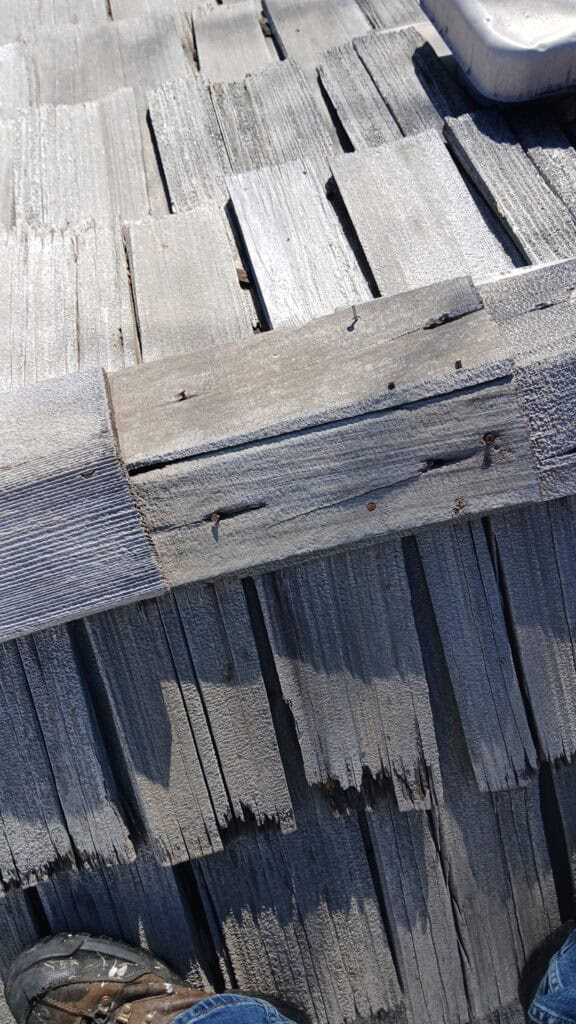
Cedar shakes naturally expand and contract with the seasons. Over time, this repeated movement — combined with exposure to Midwest freeze-thaw cycles — causes individual shakes to crack and split. A few isolated cracks may be manageable with targeted repairs. But when cracking is widespread across the roof surface, it is a strong indicator that the material is at the end of its serviceable life.
Broken shakes leave gaps in your roof’s protective layer. Even small gaps allow water to reach the underlayment and decking underneath, which can lead to rot, mold, and interior water damage.
2. Curling or Warped Shakes
When cedar shakes start to curl upward at the edges or warp out of their original flat profile, they are no longer lying flat against the roof deck. This creates pockets where water can pool and collect rather than shedding off the roof the way it should.
Curling is often a sign that the shakes have dried out significantly, lost their natural oils, or absorbed too much moisture over the years. In Hinsdale’s climate, this kind of warping tends to accelerate in older roofs that have not been treated or maintained.
3. Missing Shakes
A shake that has blown off or fallen away is an immediate concern. Even a single missing shake creates an unprotected area where rain, wind, and debris can enter and cause damage to the structure below.
If you notice gaps in your roofline after a storm, or if you find pieces of wood shake in your gutters or yard, call a roofing professional right away. Missing shakes often point to underlying problems with how the remaining shakes are secured, especially in older installations.
4. Moss, Algae, or Heavy Organic Growth
Some homeowners see moss on a cedar shake roof and assume it is purely cosmetic, or even charming. In reality, moss and algae growth is a sign that your shakes are retaining moisture rather than shedding it. That trapped moisture accelerates wood rot and deterioration from the inside out.
Heavy organic buildup also adds weight to the roof and can trap debris that holds even more moisture. If moss or algae growth is significant, a professional should evaluate not just the surface growth but the condition of the shakes underneath.
5. Dark Staining or Discoloration Across Large Areas
Cedar naturally weathers to a silver-gray color over time, and that is completely normal. But dark staining, black patches, or uneven discoloration across large sections of the roof often indicate moisture damage, mold, or rot working through the wood.
When darkening is isolated to certain areas, the problem may be localized and repairable. When it covers a significant portion of the roof, it typically signals that the shakes have deteriorated beyond what spot repairs can address.
6. Shakes That Look Thin or Are Wearing Away
New cedar shakes are thick and sturdy. As they age, they gradually thin out. A shake that has worn down to less than about a quarter of an inch thick no longer provides adequate protection against rain and impact.
Thinning is not always easy to spot from the ground, which is one reason professional roof inspections matter so much on cedar shake roofs. Our team can get up there and assess shake thickness and structural integrity in a way that a quick visual from below simply cannot.
7. Daylight Visible in the Attic
If you can safely access your attic, take a look up toward the roof deck on a bright day. Pinpoints of light visible through the roof are a serious warning sign. They mean there are gaps in your cedar shake coverage where weather and pests can enter.
Similarly, if you notice water stains or wet insulation in your attic after a rainstorm, your cedar shake roof has likely developed leaks that need to be addressed immediately.
8. Your Roof Is 20 to 30 Years Old (or Older)
A well-maintained cedar shake roof in the Chicago area can last 25 to 40 years, depending on the quality of the original installation, the maintenance it has received, and local weather conditions. But once a cedar shake roof reaches the 25-year mark, it is worth having it professionally evaluated even if it looks okay from the street.
Age alone is not a reason to replace a roof. But age combined with any of the warning signs above is a strong signal that the roof is approaching the end of its useful life.
Repair or Replace: How Do You Know?
This is the question we hear most often from homeowners, and the honest answer is that it depends on the extent and location of the damage, the age of the roof, and the condition of the underlying structure.
As a general guide:
- If damage is isolated to a small area and the surrounding shakes are in good condition, targeted repairs are often a cost-effective solution.
- If more than 20 to 25 percent of the shakes are damaged or degraded, a full replacement is usually more economical in the long run.
- If the roof deck or underlayment shows signs of rot or structural damage, replacement is almost always the right call.
We are always honest with our clients about what we find. If a repair will serve you well, we will tell you. If the roof has reached the point where ongoing repairs are throwing good money after bad, we will tell you that too.
Considering a Modern Alternative to Cedar Shake?
Some homeowners love the look of cedar shake but are interested in lower-maintenance options that perform well in the Midwest climate. We install Brava composite roofing tiles, which are designed to replicate the appearance of natural cedar shake while offering enhanced durability, Class 4 impact resistance, and greater resistance to moisture and organic growth.
If you are weighing your options, we are happy to walk you through a comparison during your consultation.
Schedule a Cedar Shake Roof Inspection in Hinsdale or the Western Suburbs
Clem Davis Company is widely recognized as one of Chicagoland’s most experienced cedar shake roofing specialists. If you have noticed any of the signs above, or if it has simply been a few years since your last professional inspection, we are here to help.
Call or text us at (630) 325-5339 or use our online form to schedule your free, no-obligation roof inspection. We serve Hinsdale, Downers Grove, Oak Brook, and all of Chicago’s western suburbs.
Your roof protects everything underneath it. Let us make sure it is up to the job.