Every time a major storm rolls through the western suburbs, something predictable follows. Within 24 to 48 hours, unfamiliar trucks start appearing in neighborhoods across Downers Grove, Hinsdale, Oak Brook, and beyond. Someone knocks on your door, says they noticed damage on your roof, and offers to take a look. Sometimes they hand you a clipboard with paperwork before you’ve had time to think it through.
These are storm chasers. And understanding how they operate could save you thousands of dollars and a lot of headaches.
What Is a Storm Chaser?
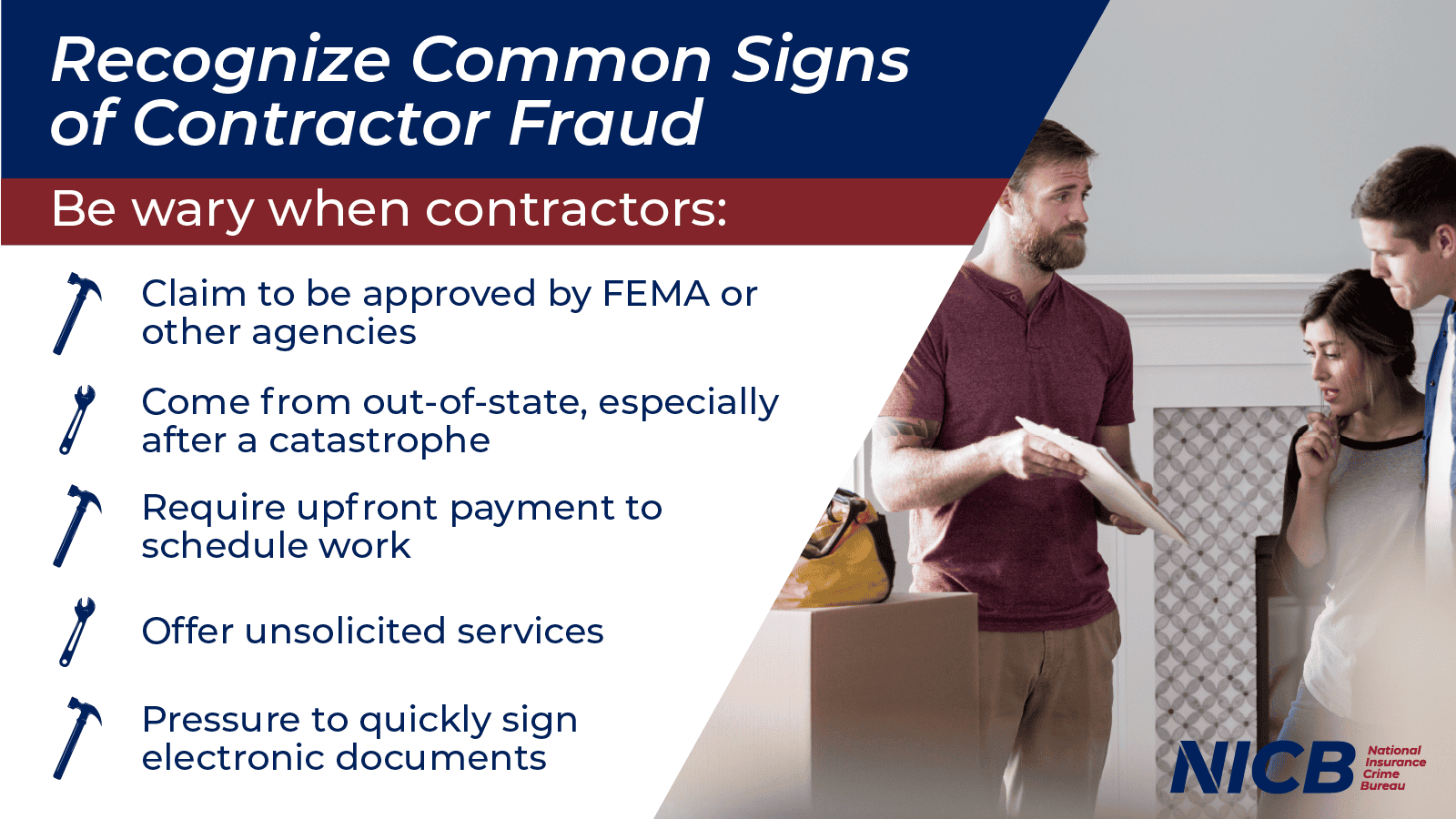
Storm chasers are roofing contractors, often from out of state, who follow severe weather events from market to market. They aren’t part of your community. They don’t have a local office, a local crew, or a local reputation to protect. Their business model depends on signing as many homeowners as possible before moving on to the next storm.
That doesn’t mean every contractor who knocks on your door after a storm is dishonest. But it does mean you should slow down before signing anything.
The Documents They Want You to Sign
One of the most important things to understand is that storm chasers often rely on paperwork to lock homeowners in before the full picture is clear. Here are the documents to watch out for:
Direction to Pay or Assignment of Benefits (AOB)
This document transfers your rights under your insurance policy to the contractor. Once signed, the contractor can communicate directly with your insurer, negotiate your claim, and collect payment without your involvement. While AOB agreements have legitimate uses, they can be misused to inflate claims or prevent you from switching contractors if something goes wrong. Do not sign one before you’ve had a chance to review your claim yourself.
Contingency Agreements
These are agreements that authorize the contractor to begin work “contingent” on your insurance approving the claim. They sound low-risk because you’re not committing to pay out of pocket. But they often contain language that locks you into using that contractor if your claim is approved, even if you later have concerns about their pricing or quality.
Work Authorization Forms Before Inspection
Be cautious of anyone who asks you to sign a work authorization before they’ve even been on your roof. A legitimate contractor will inspect your roof, provide a written estimate, and give you time to review before asking for your signature.
Why the Pressure Tactics Work
Storm chasers rely on urgency. Your roof may genuinely need attention after a storm, and the fear of further damage is real. They’re trained to use that fear to move fast.
Phrases like “we’re already in your neighborhood,” “we can get started today,” and “your insurance will cover everything” are designed to short-circuit the decision-making process. The goal is to get a signed document before you’ve had time to call around, check reviews, or talk to a neighbor who’s worked with a contractor before.
How to Protect Yourself from Storm Chasers
Here’s what we’d recommend if someone shows up at your door after a storm:
Don’t sign anything on the spot. A reputable contractor will not pressure you to sign before you’re ready. If someone is pushing hard for an immediate signature, that’s a signal to step back.
Ask where they’re based. A local contractor has a physical address, a local phone number, and a track record you can actually check. Ask how long they’ve been working in the area.
Look up their reviews and credentials. Check the Better Business Bureau and Google reviews. For roofing specifically, manufacturer certifications like GAF Master Elite or Master Contractor status require ongoing training and quality standards that storm chasers rarely meet.
Get a second opinion before filing a claim. If you’re not sure whether your roof is actually damaged, call a contractor you trust first. A legitimate inspection will give you the facts without the pressure.
Check your insurance policy before signing a Direction to Pay or AOB. Understand what you’re giving up before you hand over your rights.
What to Look for in a Legitimate Roofing Contractor
A legitimate roofing contractor in Chicago’s western suburbs will have years of documented work in the area. They’ll have a crew you can verify, references from local homeowners, and certifications from manufacturers they actually work with.
They’ll also be honest with you, even when that’s not the most profitable answer. A contractor who tells you your roof has several more years in it, when they could just as easily sell you a replacement, is the kind of contractor worth keeping.
At Clem Davis Company, we’ve been roofing homes in Downers Grove, Hinsdale, Naperville, and the western suburbs since 1965. We’re GAF Master certified and hold an A+ rating from the Better Business Bureau. When a storm comes through our area, we’re already here because we live and work here, too.
If you’re not sure whether your roof sustained damage, we’re happy to take a look and give you an honest assessment. We’re happy to schedule a free roof inspection and give you an honest assessment.
Call or text Clem Davis Company at (630) 325-5339 to schedule a free inspection or click here to request a free, no-obligation estimate online.